Apulia's grapes and what they do
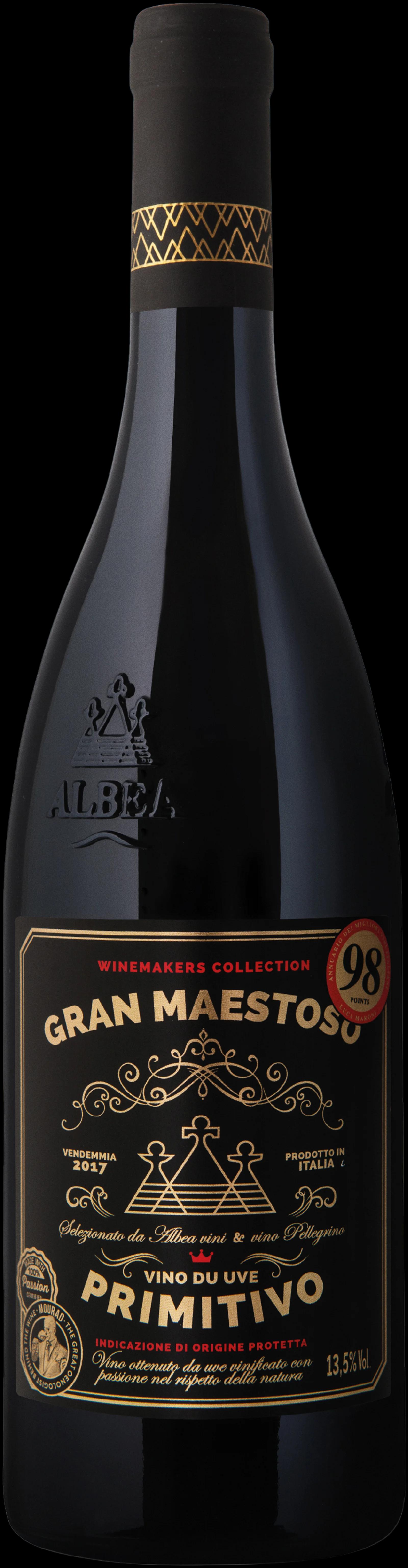
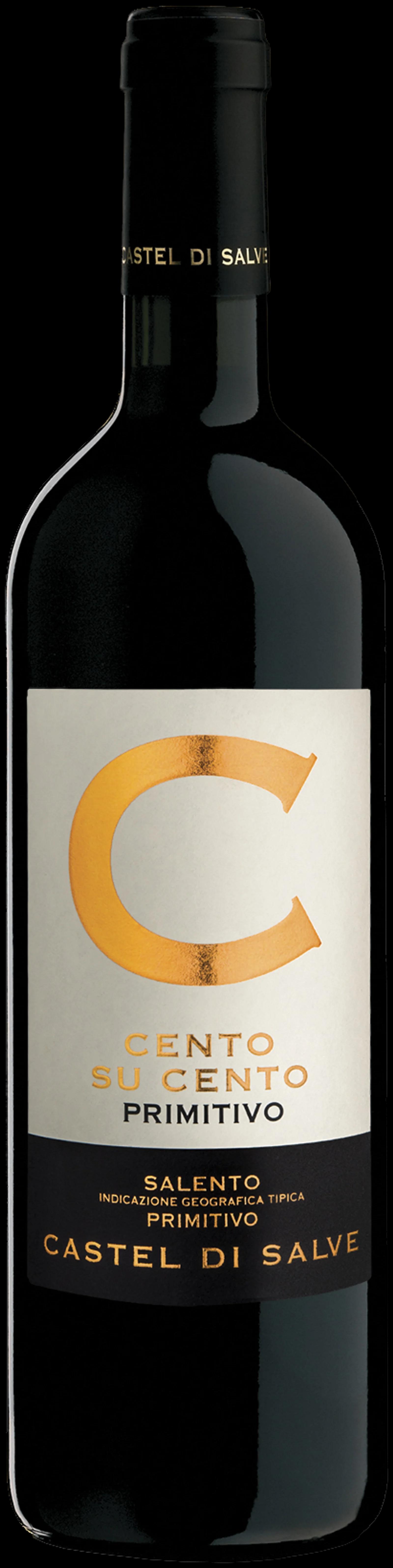
Primitivo and Negroamaro are the two grapes that built Apulia's reputation, and they behave very differently in the glass. Primitivo — genetically the same variety as California's Zinfandel — produces dense, dark reds with a ripe, forward fruit character and naturally high alcohol, grown above all around Manduria and Gioia del Colle. Negroamaro, whose name translates roughly as 'black and bitter', is the backbone of Salice Salentino and Brindisi, producing wines with more savoury depth and a distinctly earthy finish. Beyond these two, Apulia grows Malvasia Nera as a blending partner for Negroamaro, and Verdeca and Fiano for its whites — the latter producing some of the region's most structured and aromatic bottles in the Salento peninsula. Understanding which grape dominates a label tells you most of what you need before you open the bottle. You can explore wines made from Primitivo, Negroamaro, Fiano and Malvasia Nera across the producers listed here.
How Apulia's wine zones are organised
Apulia runs for roughly 400 kilometres along the heel of Italy, and the wine landscape shifts as you move south. The Daunia hills in the north, near Foggia, produce lighter reds from Nero di Troia — a grape with a long local history and a tannic structure that suits ageing. Moving south into the Murge plateau, the soils shift to limestone and clay, and Primitivo takes over as the dominant variety, with the DOC zones of Gioia del Colle and Primitivo di Manduria marking the quality heartland. Further south still, the Salento peninsula — flat, hot and swept by the Adriatic and Ionian on two sides — is Negroamaro country. The heat here concentrates sugars, so the best growers manage canopy carefully to preserve freshness. Apulia's IGT designation, Salento IGT, gives producers flexibility to blend or experiment outside the stricter DOC rules, which is where some of the region's more inventive bottles appear. You can also browse other southern Italian regions: Campania, Sicily and Calabria share a similar warm-climate character but with distinct grape varieties of their own.
Choosing an Apulian wine for the table
The warm climate and high ripeness of Apulian reds make them natural partners for food with weight and savour. A full Primitivo di Manduria sits comfortably next to slow-cooked lamb or aged hard cheese; a lighter, fresher Gioia del Colle Primitivo — picked earlier and fermented at lower temperatures — works well with grilled meat or southern Italian pasta dishes based on rich tomato sauce. Negroamaro, with its savoury bitter edge, is one of the better matches for orecchiette with turnip tops, the dish most associated with the region itself. For whites, a Fiano from Salento handles oily fish and seafood pasta better than most of its neighbours. If you are looking at a blend rather than a varietal, check the back label: a wine labelled Salento IGT often shows which grapes lead the blend, giving you a clearer read on weight and style before you open it. For more Italian reds with a similar warmth, Sicilian wines and Veneto reds offer useful comparisons, and the producers listed on this page all ship directly from their own cellars, with wines tasted before listing.