 Piemont, Italien
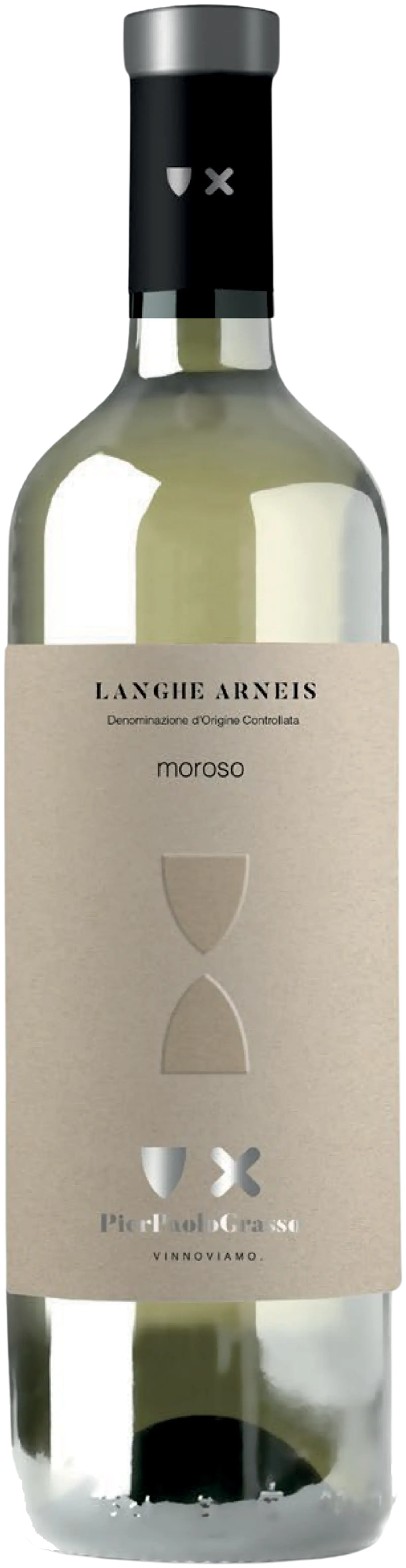
- Körper
- Säure
- Fruchtigkeit
- Aroma
- Geschmacksintensität
- Stil
- Frisch & knackig
- Steinobst
- Zitrus
- Passt zu
- Aperitif
- Buffet
- Wurstwaren
- Ziegenkäse
- Milder und weicher Käse
- Magerer Fisch
- Fetter Fisch
- Partygetränk
- Pasta & Pizza
- Geflügel
- Gewürzte Schalentiere
- Gemüse
Ihr Paket wird innerhalb von 4–16 Tagen
- PIER PAOLO GRASSO nimmt Ihre Bestellung entgegen und verpackt sie (1–4 Tage)
- Der Kurier holt Ihre Bestellung ab und liefert sie direkt an Ihre Haustür
Über diesen Wein
Speiseempfehlungen des Winzers
- Aperitif
- Buffet
- Wurstwaren
- Ziegenkäse
- Milder und weicher Käse
- Magerer Fisch
- Fetter Fisch
- Partygetränk
- Pasta & Pizza
- Geflügel
- Gewürzte Schalentiere
- Gemüse
Vinifikation in den eigenen Worten des Winzers
- Böden:
- Clay, Limestone
- Terroir:
- The vineyard is exposed to east. It presents a medium-textured soil with limestone and clay.
- Ernte:
- Picked by hand
- Fermentation:
- Steel (100%)
- Lagerung:
- -
- Winzer:
- PIER PAOLO GRASSO
White vinification with temperature-controlled fermentation in stainless steel tanks, followed by ageing in stainless steel. The must ferments without contact with the skins. This allows you to obtain more delicate, fresh and aromatic wines. The grapes are harvested and transported with particular care for preserve integrity and perfumes. After a pressing so ce, the peels they are quickly separated from the must to avoid extractions unwanted color and tannins. The must is then clarified and transferred to temperature-controlled fermenters. Fermentation generally occurs at higher temperatures low compared to red wines, around 18–20 °C, so as to preserve aromatic fineness, freshness and varietal aromas. The fermenters modern, equipped with a double refrigerated wall, allow the yeasts to work slowly and regularly, turning the sugars into alcohol and developing elegant and complex aromas.In some cases a short film maceration is used, leaving the must in contact with the skins for a few hours, to increase intensity aromatic and structure.For particularly fragrant wines, use may also be made of the cryomaceration: a cold maceration etched at temperatures very low, which favors the extraction of aromatic substances without compromise the freshness of the wine. At the end of fermentation the wine is decanted, stabilized and left to mature before bottling, thus maintaining balance, elegance and expressive purity.
Den Winzer kennenlernen
PIER PAOLO GRASSOÜber den Wein und seinen Charakter
- Land:
- Italy
- Region/Unterregion:
- Piemonte/Langhe
- Klassifikation:
- DOC
- Zertifizierung:
- -
- Traube:
- Arneis 100 %
- Jahrgang:
- 2024
- Farbe:
- Brillant straw yellow in colour, this wine is very fresh and crystal clear.
- Aroma:
- Fragrant notes of orange blos som, hawthorn and white peach and finishes with spice and some floral touches.
- Geschmack:
- The palate is lively, full and perfectly corresponding to the nose.
- Alkoholgehalt:
- 13%
- Zuckergehalt:
- -
- Säure:
- -
- pH-Wert:
- -
- Süße:
- Dry
- Enthält Sulfite:
- Ja
- Volumen:
- 750 ml
- Verschluss:
- Natural cork
- Flasche:
- Glass
- Am besten serviert:
- 10 - 12 °C
- Reifungspotenzial:
- 1 - 7 years
Lernen Sie die Winzer hinter LANGHE ARNEIS DOC MOROSO kennen
Informationen direkt vom Weingut bereitgestellt.

Information
- Weingut
- PIER PAOLO GRASSO
- Gründungsjahr
- 2000
- Anbaufläche
- 68 ha
- Produktion
- 12 000 b/y
Ein Ort der Gastfreundschaft, ein Weingut, das atmet Im Herzen der Langhe, in Neive, Via Moretta 17, steht das neue Weingut: ein zeitgemäßer Ort, der nicht nur der Produktion, sondern auch der Gastfreundschaft gewidmet ist – denn wer Wein liebt, liebt es auch, ihn mit anderen zu teilen. Hier geht modernste Technologie Hand in Hand mit althergebrachten Traditionen: moderne Weinbereitungstechniken, die Einhaltung biodynamischer Prinzipien und natürliche Verfahren verschmelzen zu einer Einheit. Jede Geste und jede Entscheidung wird von dem Wunsch geleitet, einen lebendigen, gesunden und authentischen Wein in jedes Glas zu bringen.
PIER PAOLO GRASSO kennenlernen