 Bordeaux, Frankreich
- Körper
- Säure
- Fruchtigkeit
- Aroma
- Geschmacksintensität
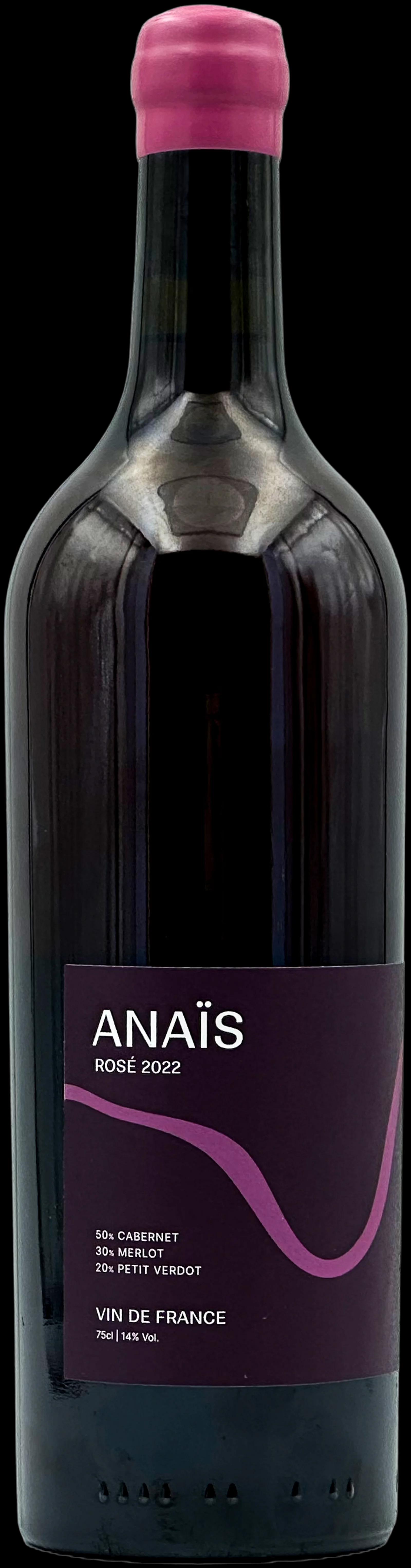
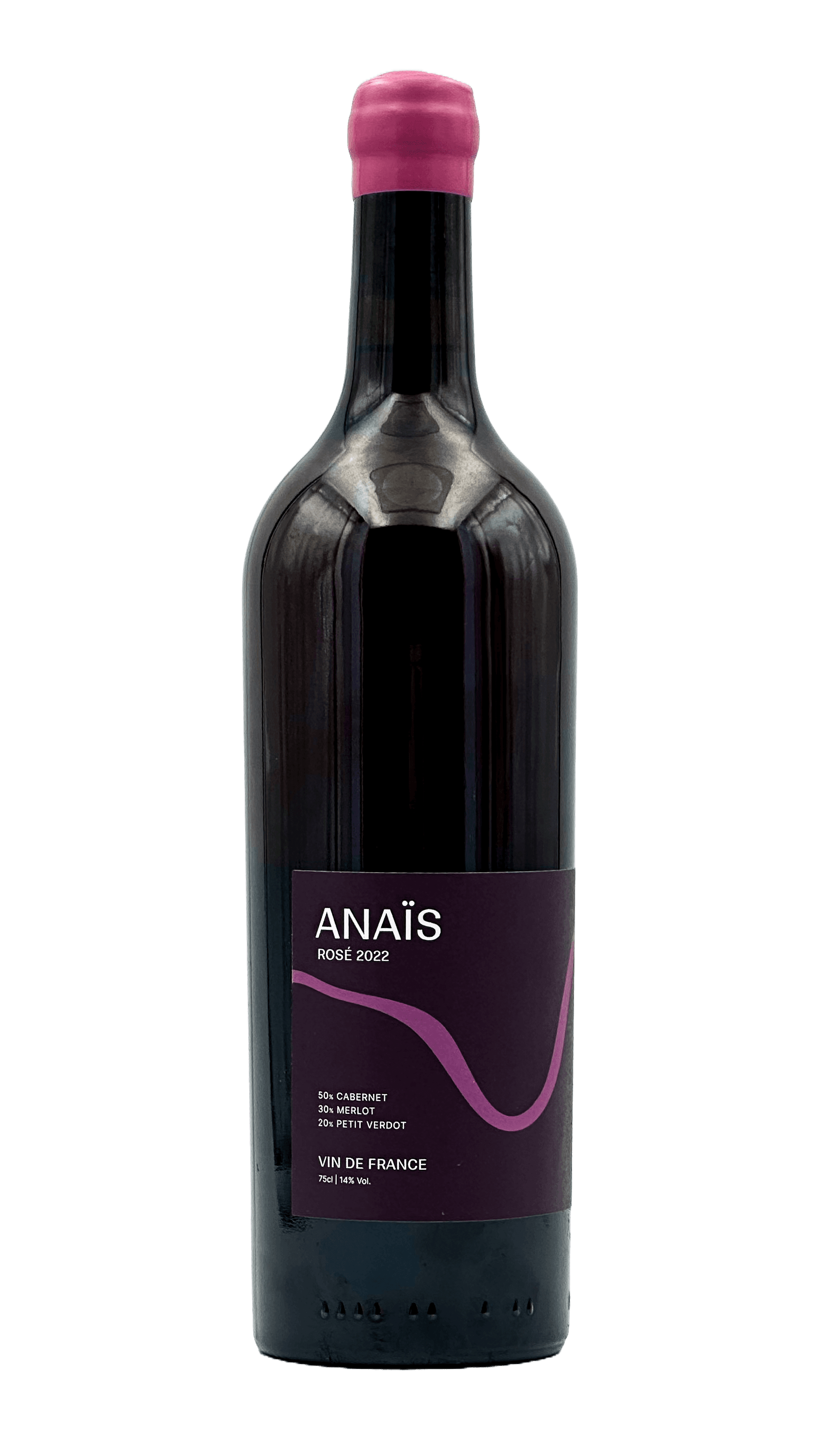
Anais
Cabernet Sauvignon 50 %, Merlot 30 %, Petit Verdot 20 %
- 750ml
- 14%
- 2022
- Rosé
- Trocken
- Bio
- Naturwein
- Stil
- Leicht & knackig
- Rote Beeren
- Passt zu
- Aperitif
- Asiatische Küche
- Buffet
- Wurstwaren
- Ziegenkäse
- Reifer und harter Käse
- Milder und weicher Käse
- Wild
- Lamm
- Pasta & Pizza
- Scharfes Essen
Ihr Paket wird innerhalb von 4–16 Tagen
- Chateau d'Esther nimmt Ihre Bestellung entgegen und verpackt sie (1–4 Tage)
- Der Kurier holt Ihre Bestellung ab und liefert sie direkt an Ihre Haustür
Weitere Möglichkeiten, diesen Wein zu genießen
Verfügbar in den folgenden Mixboxen:
Über diesen Wein
Speiseempfehlungen des Winzers
- Aperitif
- Asiatische Küche
- Buffet
- Wurstwaren
- Ziegenkäse
- Reifer und harter Käse
- Milder und weicher Käse
- Wild
- Lamm
- Pasta & Pizza
- Scharfes Essen
Vinifikation in den eigenen Worten des Winzers
- Böden:
- Clay, Sand
- Terroir:
- Clay and schist soils, proximity to Dordogne river, age of vines - 35 years (average), density of plantation 2 meter spacing, 1.4 m row width.
- Ernte:
- Picked by hand
- Fermentation:
- Steel (100%)
- Lagerung:
- -
- Winzer:
- Ian Hocking
Wine is fermented spontaneously by indigenous yeasts and produced with minimal intervention.
Den Winzer kennenlernen
Ian HockingÜber den Wein und seinen Charakter
- Land:
- France
- Region/Unterregion:
- Bordeaux/Entre-deux-Mers
- Klassifikation:
- VdF
- Zertifizierung:
- Organic, Natural
- Traube:
- Cabernet Sauvignon 50 %
Merlot 30 %
Petit Verdot 20 % - Jahrgang:
- 2022
- Farbe:
- Medium Pink
- Aroma:
- Strawberries and cream with some red currants.
- Geschmack:
- A dry dark rosé with round juicy red fruits that follow the aromas of the wine that resolve nicely with lactic acidity to refresh your palate.
- Alkoholgehalt:
- 14%
- Zuckergehalt:
- 0.6 g/l
- Säure:
- -
- pH-Wert:
- 3
- Süße:
- Dry
- Enthält Sulfite:
- Ja
- Volumen:
- 750 ml
- Verschluss:
- Natural cork
- Flasche:
- Glass
- Am besten serviert:
- -
- Reifungspotenzial:
- 2 - 5 years
Lernen Sie die Winzer hinter Anais kennen
Informationen direkt vom Weingut bereitgestellt.

Information
- Weingut
- Chateau d'Esther
- Gründungsjahr
- 2001
- Anbaufläche
- 4 ha
- Produktion
- 16 000 b/y
Château d’Esther is located just outside Bordeaux, in Saint-Loubès, and with its modest six hectares, it is truly a rare gem. Winemaker have created a genuine biotope here. The cultivation of vines and wine production are part of a closed-loop system and an interaction between nature and humans. Fruit trees are planted between the vine rows to enrich the soil and attract animals that naturally protect the vines. This, in turn, brings even more biodiversity, allowing the natural cycle to thrive. Thanks to this unique approach, winery is able to completely avoid the use of pesticides.
Chateau d'Esther kennenlernen